Why I Built Bot Boutique (And What a Global Cloud Backbone Has to Do With It)
Part 5 of 5
In 2013, IBM acquired SoftLayer and inherited 13 data centers. By the time I moved on from IBM Cloud in March of 2023, that footprint had grown to more than 60 facilities across 19 countries and six continents. A $1.2 billion expansion in 2014 alone added 15 new sites globally.
I came up through the team that owned the backbone that connected all of it, and had the privilege of leading that team for ~5 years.
Not a piece of it. The whole thing. From Control Row inside every data center to Control Row of every other -- including the design of Points of Presence (PoPs) and the fiber connectivity to every site worldwide. I led six verticals: network planning and vendor selection, physical builds that had my team traveling globally to rack and stack equipment, Layer 2 and 3 provisioning, golden configuration management applied across every backbone device, optical engineering at Layer 1, and IP engineering overseeing routing policy for the entire global network.
When you're scaling infrastructure at the pace we were -- 13 facilities to 60-plus, across six continents, in just a few years -- you develop a very specific intolerance for systems that have single points of failure. Because at that scale, failure isn't theoretical. It's scheduled. The only question is whether you built around it or not.
That experience shaped how I think about every system I design now.
How this series started
We launched "Two Kinds of AI" five weeks ago because the same confusion kept coming up in conversations with customers. They'd tell us they were "already using AI" because they'd opened ChatGPT a few times or had it write emails. Or they'd say they tried an AI agent and it didn't work. Both answers usually meant the same thing: they'd used a generative tool and either expected it to behave like a system or didn't even understand what's possible when you systematize agentic AI.
The distinction matters. Generative AI waits for you. Agentic AI works for you. Everything in between is noise.
Post 1 laid out the difference. Post 2 showed what that gap costs in a real lead scenario. Post 3 walked through what a well-configured agent actually does when a lead comes in. Post 4 named the reasons implementations fail. And this post is where I tell you why I think this is worth getting right.
What I've seen on both sides
Enterprise infrastructure and small business AI have more in common than they should. The contractor who turned off their AI agent after 30 days because it wasn't performing is running the same playbook as the IT team that bought expensive monitoring software, never configured it, and wondered why nothing improved.
The technology doesn't do the work. The implementation does.
At Bot Boutique we don't hand contractors a login and a knowledge base template. We build the system. That means a configured agent that knows the service area, the job types, the scheduling constraints, and what a qualified lead looks like for that specific business. It means integration with the CRM so nothing falls through. It means we're watching the transcripts in the early weeks, catching anything that needs adjustment, and making sure the system is actually performing before we consider it live. Before we go live, your agent knows your business well enough to answer questions your own team would have to look up.
That's not a novel approach. It's just how you build things that work.
Where we go from here
This series is done, but the conversation doesn't have to be. If you've followed along and you're wondering whether your inbound operation has single points of failure you haven't accounted for, that's worth a conversation.
We work with companies in DFW and nationally. The first conversation is straightforward: we look at how leads are coming in, where they're falling off, and whether an agentic system makes sense for your business. If it doesn't, we'll tell you.
If you're ready to start that conversation, you can book time with me here. No intake form. No back and forth about availability. Just pick a time that works.
Thanks for following along. Looking forward to hearing from you.
Nate Richardson
Founder, Bot Boutique
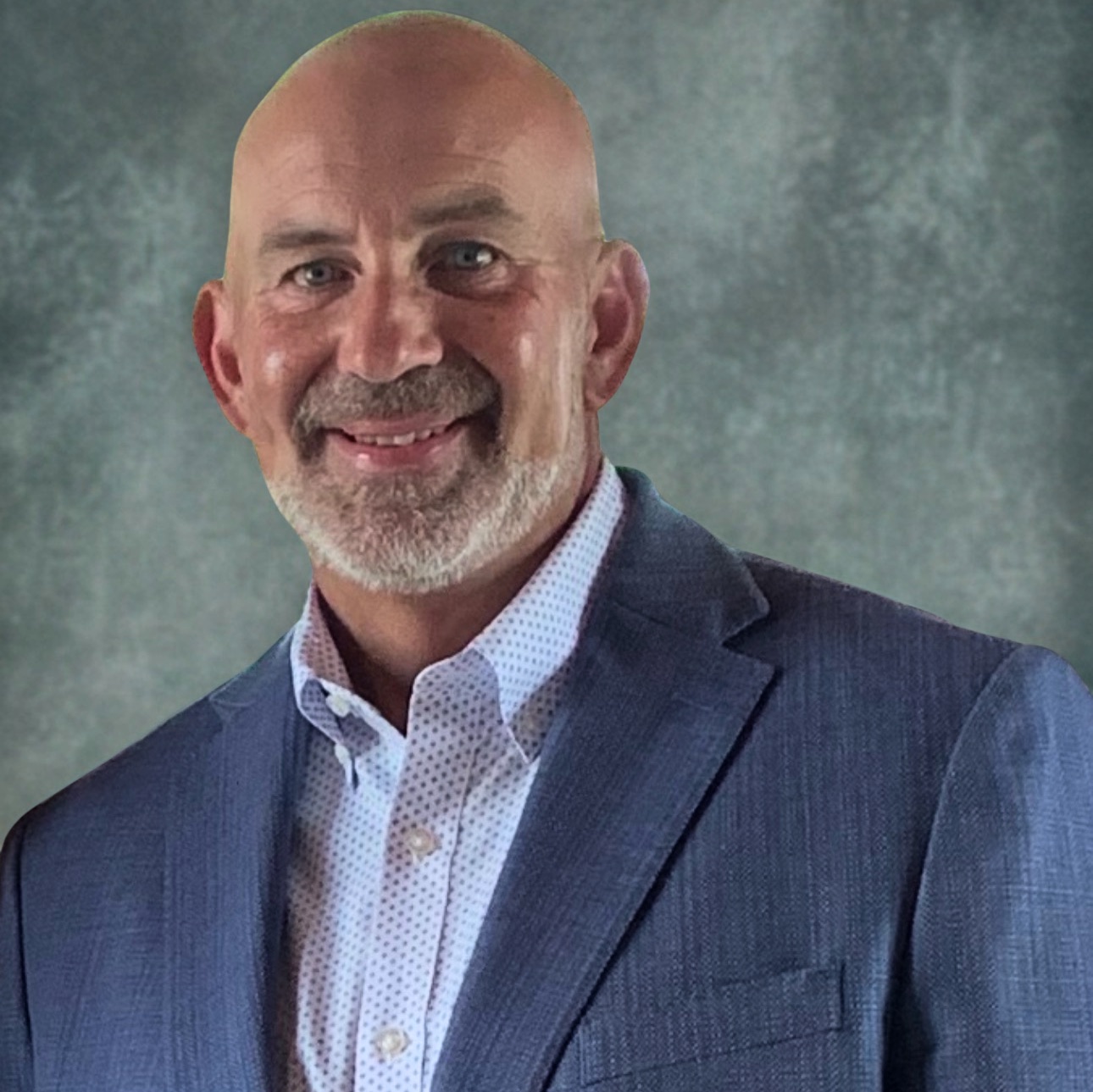
Nathan Richardson is the founder of Bot Boutique, an AI automation agency based in Frisco, TX. With 20+ years in enterprise telecom at AT&T and IBM Cloud, he brings a level of infrastructure and systems expertise rarely found in AI automation. Bot Boutique deploys AI-powered automation across the full revenue cycle, from first contact to five-star review, for home service businesses across the DFW market and nationwide, helping them close more deals without adding headcount.


